
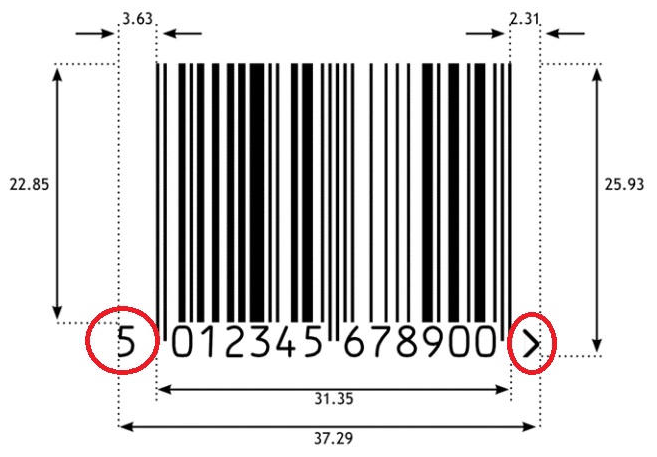
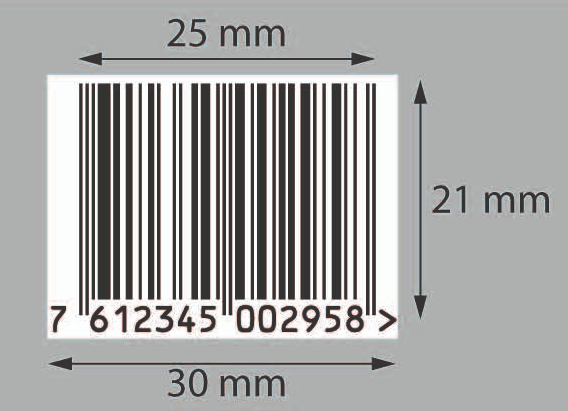
GS1 Switzerland offers a barcode verification service to test the readability of GS1 barcodes and GS1 2D codes on labels, product packaging or directly marked parts (DPM). The service checks print quality, data structure, design and dimensions for compliance with GS1 standards.
Please send your GS1 barcode or GS1 2D code by post to:
GS1 Switzerland
Barcode Verification Service
Monbijoustrasse 68
3007 Bern
Members are entitled to 10 barcode verifications per year free of charge. Non-members are charged CHF 100 (excluding VAT) per GS1 barcode / GS1 2D code and test attempt.